Damp crawlspace
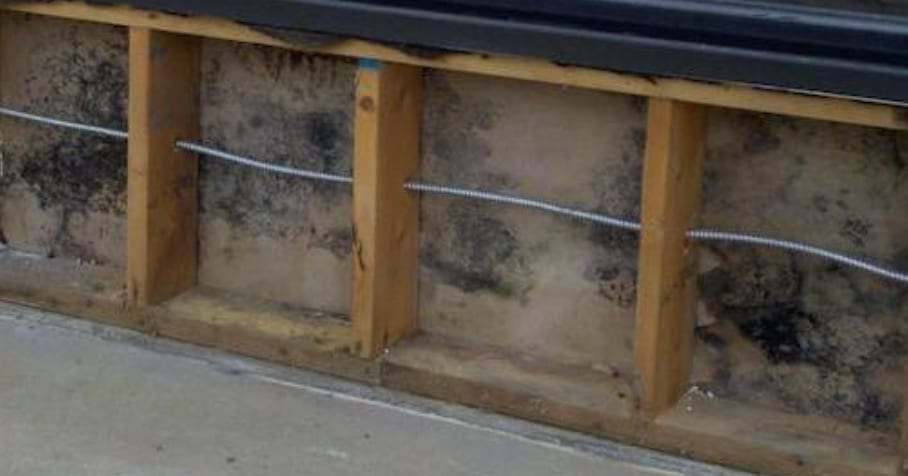
A ranch home's crawlspace has exposed soil and condensation on ductwork, and mold is growing on floor joists and insulation.
Mold remediation for Jefferson County homes
How contained mold removal works in Wheat Ridge ranch homes, basements, and crawlspaces, and why the moisture damage behind it matters as much.
ZIP codes served: 80033 (Wheat Ridge).
Also nearby: 80212, 80214, 80002, 80215, 80211, 80204, 80226, 80004, 80003, 80202, 80221, 80030, 80219, 80232, 80203, 80205, 80218, 80223.
Wheat Ridge is a Jefferson County city just west of Denver, with neighborhoods largely built in the 1950s and 1960s: ranch homes on larger lots, many with basements or crawlspaces, along with newer infill. Clear Creek runs through the northern part of the city.
Homes of that era often have original or partially updated plumbing, crawlspaces without modern vapor barriers, and basements finished long after construction. Those features make careful assessment important, and older building materials may need asbestos testing before they're removed.
1
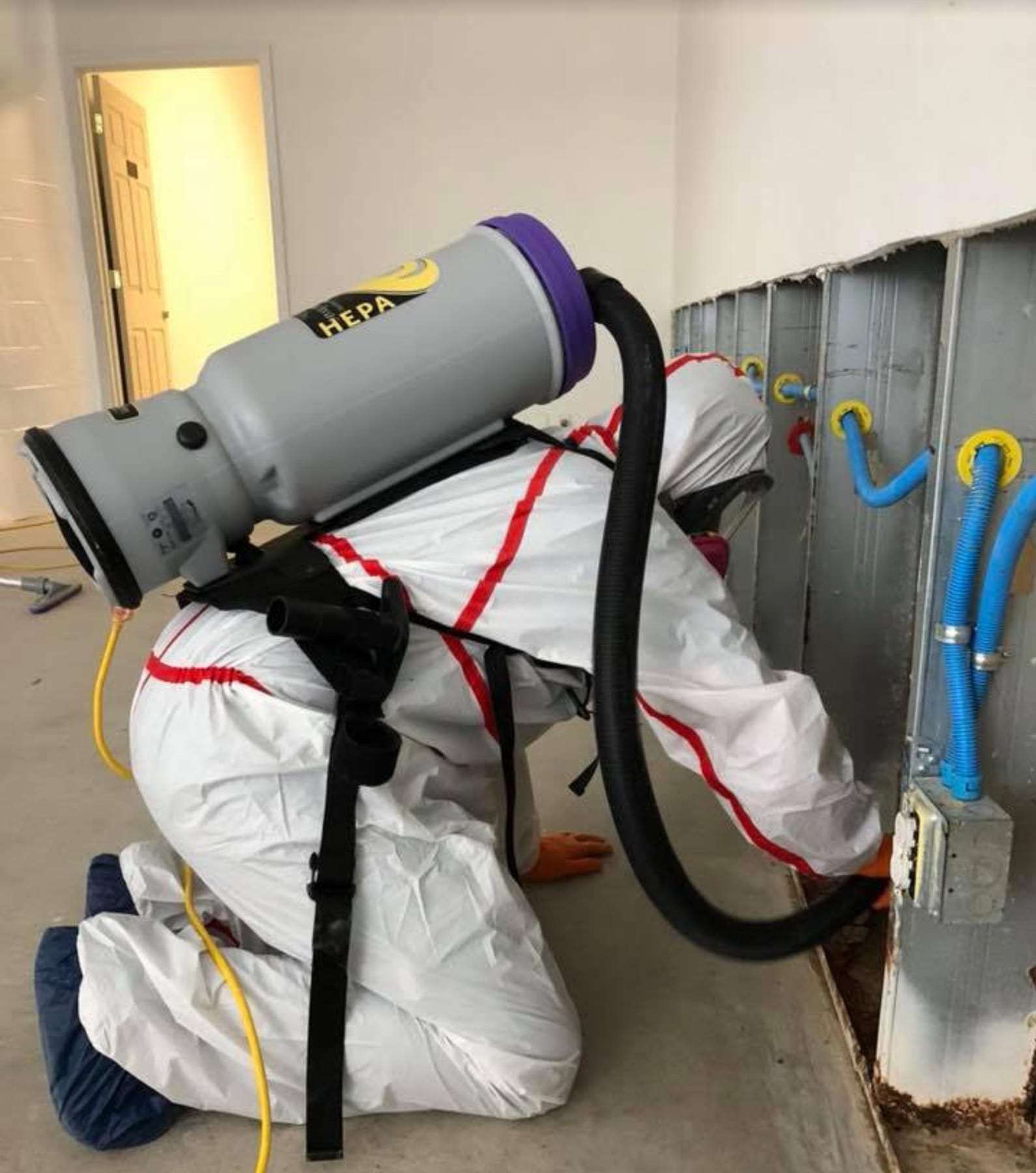
Disturbing mold, whether by cutting out drywall, pulling carpet, or simply brushing against it, releases spores. Without containment, removal can spread contamination into clean parts of the house and the HVAC system.
2
That's why professional remediation always starts by isolating the work area. In Wheat Ridge's older ranch homes, mold often follows moisture-related damage: a crawlspace that stays damp, a basement that took on water, or a slow plumbing leak.
3
A complete remediation plan addresses the mold and the damage behind it, including any water problem that needs drying or repair.
A Jefferson County guide to mold, the moisture behind it, and the questions to ask before work starts.
Many Wheat Ridge ranch homes sit over crawl spaces with bare soil, older vent openings and plumbing runs. Moisture there comes from the ground, from plumbing leaks, or from warm air condensing on cool surfaces. The investigation checks each:
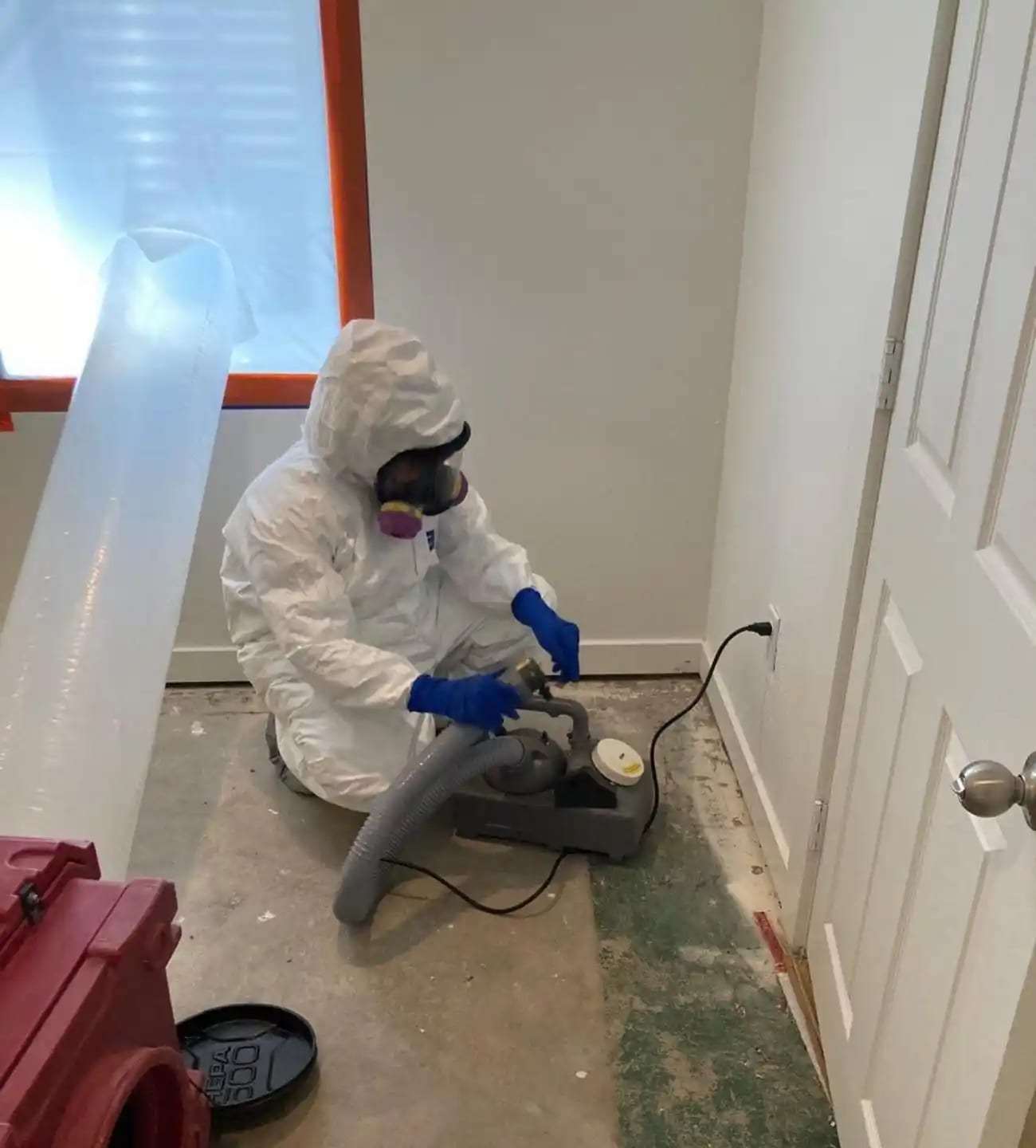
Each step is designed to remove contamination without spreading it.
Identify affected areas and the moisture source, including crawlspaces and HVAC.
Seal off the work area with sheeting and establish negative air with HEPA filtration.
Remove contaminated porous materials and bag them inside containment.
HEPA-vacuum and clean remaining surfaces, then dry the area thoroughly.
Address the moisture source and rebuild affected areas.
A finished job should come with answers, not just a clean-looking space. Ask these before you sign off. A good contractor answers them without hesitation.
Was the moisture source found and corrected, and what was done?
Where exactly was material removed, and why was each area included?
Were the framing and subfloor dried and verified with moisture readings before rebuilding?
How was the work area cleaned before containment was taken down?
Will I get photos and a written summary of the work?
If I want independent post-remediation testing, when should it be done?
What should I watch for in the next few months, and who do I call if I see it?
A ranch home's crawlspace has exposed soil and condensation on ductwork, and mold is growing on floor joists and insulation.
After a basement took on water, carpet was removed but the drywall wasn't, and weeks later mold appears along the wall bottoms.
A washer supply valve drips inside the wall for months, and mold is found when the homeowner notices a stain and smell.
Guides and tools on crawl spaces, containment and what a finished job should include.
1
Avoid disturbing visible growth; keep the area closed off.
2
If the HVAC system draws air from a moldy crawlspace or basement, ask about it during the assessment before running it heavily.
3
Stop active leaks and remove standing water if it's safe to do so.
4
Keep people with respiratory issues away from the area.
This form is not connected. This website is a draft preview: no business has been confirmed to receive requests, so the fields below are switched off and nothing can be sent. In an emergency, call 911.